


 Sustainable Living
Table of Contents
Introduction to Solar Power
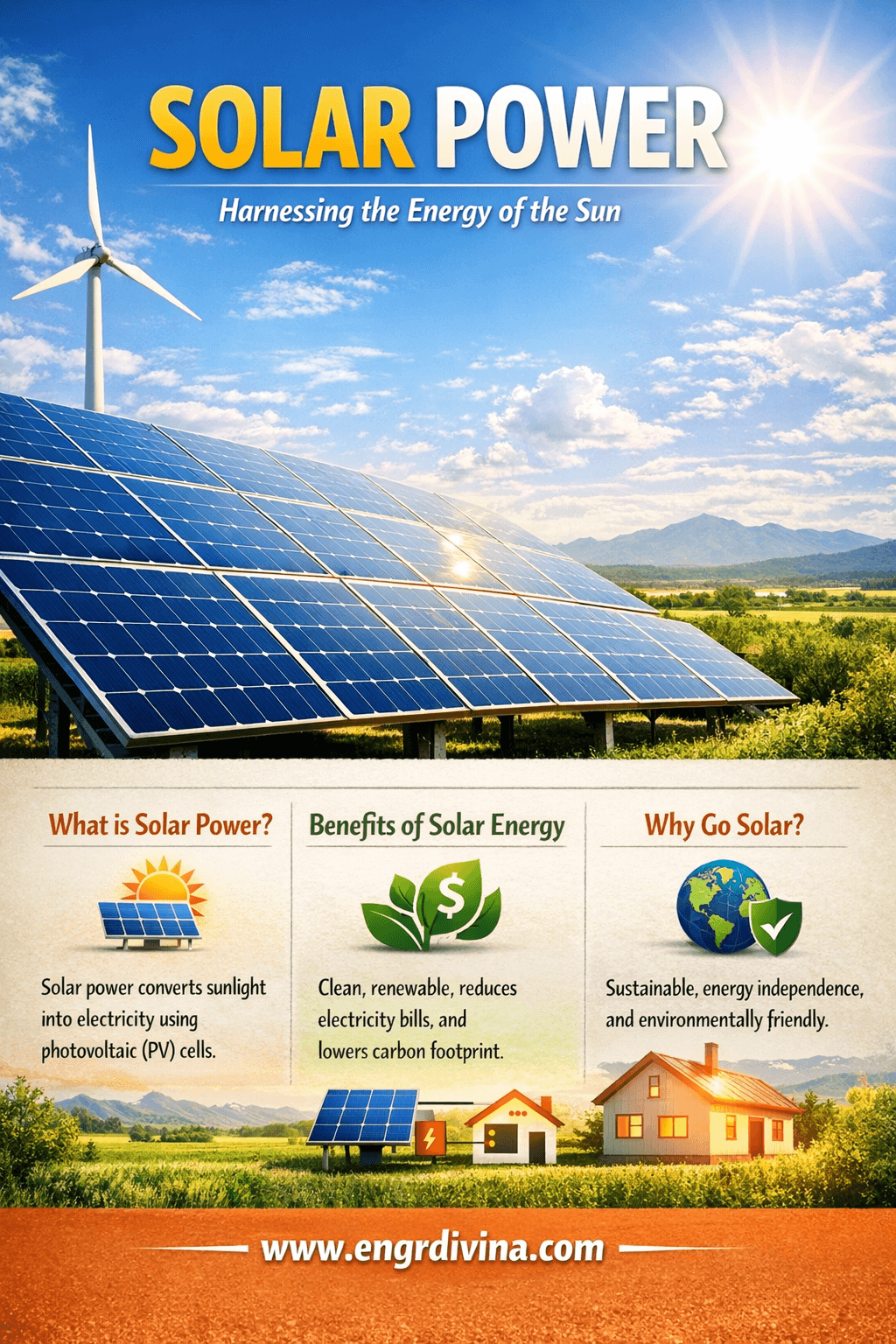
Solar power has emerged as a crucial element of the energy landscape in the Philippines, driven by rising electricity costs and the increasing frequency of power interruptions. This renewable energy source harnesses sunlight, converting it into electricity through a technology known as photovoltaic (PV) systems. The rapid adoption of solar power in residential and commercial sectors reflects a growing awareness of its financial and environmental benefits.
At its core, solar power systems consist of PV panels that capture sunlight and convert it into direct current (DC) electricity. An inverter is then employed to convert this DC electricity into usable alternating current (AC) electricity, which can power homes and businesses. The process allows users to generate their electricity, reducing reliance on traditional power grids and mitigating the impact of fluctuating electricity prices.
The benefits of solar power are particularly significant in the Philippines, a country endowed with abundant sunshine throughout the year. By investing in solar technology, Filipino homeowners and business owners can potentially lower their electricity bills, protect themselves against future energy price hikes, and reduce their carbon footprint. Moreover, solar energy offers a reliable power source, contributing to energy security in areas that frequently experience power outages.
Investing in solar systems not only supports national efforts toward sustainability but also aligns with global movements seeking to combat climate change. As the technology becomes more accessible and cost-efficient, the future of solar power in the Philippines appears promising, promising diverse opportunities for individuals and enterprises alike. Embracing this renewable energy source can lead to a cleaner, more sustainable energy future.
How Solar Power Works
Solar power systems primarily consist of several key components that work together to convert sunlight into usable electricity. The principal element in these systems is the solar panel, also known as a photovoltaic (PV) panel. Each solar panel is made up of many smaller units called solar cells, which are typically constructed from silicon. When these cells are exposed to sunlight, they create an electric field, enabling the conversion of solar energy into direct current (DC) electricity.
After the solar panels generate electricity, the next critical component is the inverter. The inverter transforms the DC electricity produced by the solar panels into alternating current (AC) electricity, which is the form of electricity used by most household appliances and electrical systems. This conversion is essential for the practicality of solar power systems, as it allows the produced electricity to be used directly in homes and businesses.
In addition to solar panels and inverters, mounting structures play a crucial role in installation. These structures secure the solar panels to the roof or ground and are designed to withstand various weather conditions. Proper mounting helps ensure that solar panels are optimally positioned to capture sunlight throughout the day.
Some solar power systems also incorporate optional battery storage, providing an effective solution for energy needs during cloudy days or nighttime. These batteries store excess energy produced during sunny periods, enabling users to access stored electricity when solar generation is low. This feature enhances the reliability of solar power systems, making them a more attractive option for both residential and commercial users.
Through the seamless integration of these components, solar power systems harness solar energy, providing an efficient, sustainable, and renewable source of electricity for homes and businesses across the Philippines.
Benefits of Solar Power
Solar power offers a multitude of advantages for both homes and businesses. One of the most compelling benefits is the significant reduction in electricity bills. By harnessing the energy from the sun, users can generate their own electricity, minimizing reliance on the grid. This can lead to long-term savings, particularly in regions where electricity prices are high, ensuring that solar energy remains a financially attractive option.
Additionally, solar power is a renewable energy source, which means it is inexhaustible in the context of human usage. Unlike fossil fuels, which are finite and contribute to environmental degradation, solar energy is abundant and sustainable. This renewable aspect enhances energy independence, allowing households and businesses to produce their own energy and become less susceptible to fluctuations in energy prices, ultimately fostering economic stability.
The maintenance requirements for solar power systems are relatively low, further solidifying its appeal. After installation, solar panels generally need minimal upkeep, with occasional cleaning and inspections. This not only lowers ongoing costs for users but also ensures that the system remains efficient over its lifespan, producing cost-effective energy without the demands associated with traditional energy sources.
Moreover, the environmental benefits of adopting solar energy cannot be overlooked. Solar power reduces greenhouse gas emissions, contributing to cleaner air and a healthier ecosystem. By opting for solar energy, individuals and organizations play a crucial role in combating climate change and promoting sustainable practices. The transition to solar power is not just a personal decision; it fosters a greater collective impact on our planet.
Types of Solar Power Systems
Solar power systems can be categorized into three primary types: grid-tied, off-grid, and hybrid systems. Each of these configurations has its unique features, advantages, and potential applications, making them suitable for different needs and circumstances.
Grid-tied solar power systems are directly connected to the utility grid. This type is the most common and allows homeowners and businesses to earn credits through net metering. During sunny days, the system generates electricity, and if it exceeds consumption, the surplus is sent back to the grid. This setup is highly efficient and cost-effective, especially where electricity prices are high or where incentives for solar installation exist. The primary advantage of grid-tied systems is their lower upfront costs, as they do not require batteries for energy storage.
In contrast, off-grid solar power systems operate independently of the utility grid. They are ideal for locations where the grid is unavailable or for individuals seeking energy independence. Off-grid systems require batteries to store energy for nighttime or cloudy days, providing a reliable power source year-round. While the initial investment may be higher due to the additional equipment required for energy storage, these systems can offer significant long-term savings, especially in remote areas where traditional energy sources are costly or impractical.
Finally, hybrid solar power systems combine both grid-tied and off-grid technologies, allowing flexibility and reliability. This type of system can store energy in batteries while also being connected to the grid, providing a backup power source in case of outages. The hybrid approach is advantageous for homeowners and businesses desiring the benefits of both systems, as it can optimize energy use and enhance resilience against power fluctuations.
Solar Power in the Philippines
The Philippines is recognized as an optimal location for the adoption of solar power, owing to its favorable climatic conditions and high levels of solar irradiance. The archipelago, with its numerous islands and predominantly sunny weather, provides an excellent environment for harnessing solar energy. With an average solar insolation level ranging from 4.5 to 5.3 kilowatt-hours per square meter per day, the country’s geographical positioning makes it one of the best regions in Southeast Asia for solar energy generation.
The Philippine government has implemented various initiatives to promote the utilization of solar technologies, aimed at enhancing energy security and reducing reliance on fossil fuels. Among these initiatives is the net metering program, which allows consumers who generate their own solar power to connect their renewable systems to the grid. This system permits residential and commercial users to offset their energy consumption, providing a financial incentive to adopt solar solutions. By enabling users to sell excess electricity back to the grid, net metering considerably lowers electricity costs and encourages more investments in solar energy systems.
Additionally, the government has put in place policies such as the Renewable Energy Act of 2008, which fosters an environment conducive to the growth of renewable energy in the country. This legislative framework not only supports the development of solar energy projects but also facilitates easier access to financing options for homeowners and businesses considering solar installations. The increasing interest in solar power in the Philippines, amplified by government support, positions the nation as a leader in embracing clean energy solutions.
Estimated Cost of Solar Installation
The financial commitment associated with installing solar power systems can vary significantly based on the system size and components chosen. In the Philippines, the cost of solar installation typically includes equipment, installation, and additional components such as inverters and mounting systems. This section will provide insights into the estimated investment ranges for various solar system sizes, specifically 3 kW, 5 kW, and 10 kW.
For a 3 kW solar power system, the typical installation cost ranges between PHP 150,000 to PHP 200,000. This price reflects the investment needed for quality solar panels, an inverter, and installation services. Many homeowners opt for this size as it is suitable for smaller residences or those with limited energy consumption. While the initial investment may seem steep, the long-term savings on electricity bills can make this a financially viable option.
Moving up to a 5 kW system, the expenses can range from PHP 250,000 to PHP 350,000. This size is more suitable for medium-sized homes or businesses with greater energy needs. The investment in this range provides more capacity and potentially allows for the offsetting of a larger percentage of the electricity bills, yielding greater returns over time.
For larger installations, a 10 kW system will generally cost between PHP 400,000 and PHP 600,000. This is often considered appropriate for larger households or small businesses that require increased energy output. While this represents a significant upfront investment, a well-sized solar power installation can lead to substantial savings, including the potential for a return on investment of several years.
Ultimately, the cost of solar installation in the Philippines depends on various factors, including system size, equipment quality, and installation expertise. Homeowners and business operators should conduct thorough research and seek multiple quotes to find the best solution for their specific energy needs and financial situation.
Is Solar Power Worth It?
When considering renewable energy options, many individuals and businesses in the Philippines often grapple with the question: Is solar power worth it? This inquiry primarily revolves around the return on investment (ROI) and the financial implications of installing solar panels. The initial costs associated with solar energy systems may appear significant; however, a closer examination reveals that solar power can be a highly beneficial long-term investment.
One of the most compelling reasons to invest in solar power is the potential for substantial long-term savings on electricity bills. In the Philippines, where electricity rates are on the rise, solar panels enable homeowners and businesses to generate their own electricity, significantly reducing reliance on the grid. As a result, utility expenses decrease, leading to enhanced savings over time. Furthermore, many users report that their solar power systems can offset 70% to 100% of their electricity costs, making these systems financially appealing.
The payback period for solar installations in the Philippines typically ranges from five to seven years, depending on various factors, including system size, energy consumption, and available incentives. After the payback term, users can experience free energy production for the remaining lifespan of the panels, which can exceed twenty years. This long-term financial benefit is often complemented by increased property value, as homes and commercial properties equipped with solar installations are generally more attractive to eco-conscious buyers and tenants.
Additionally, government incentives and financing options, such as net metering and tax benefits, further enhance the financial viability of solar systems. Home and business owners benefit from these programs, which can mitigate upfront costs and accelerate the ROI. Given these factors, many financial advisors recommend solar power as a sound investment for those looking to improve their energy independence and financial portfolio.
Why Choose Professional Engineering Services?
When considering the installation of a solar power system, it is crucial to engage professional engineering services. Licensed engineers possess the requisite expertise to design solar systems tailored to the unique energy needs of a home or business. The intricacies involved in the design process include conducting a thorough load analysis, which assesses the electricity requirements to ensure that the solar power system is both efficient and sufficient. This step is vital as it directly influences the overall performance and return on investment of the solar installation.
Moreover, compliance with local and national regulations cannot be understated. Professional engineers are well-versed in the legal requirements surrounding solar installations, including obtaining the necessary permits. Their understanding of regulations mitigates the risks of non-compliance, which can lead to potential fines and delays. This knowledge ensures that the installation adheres to safety standards and building codes, fostering a compliant and secure setup of the solar power system.
In addition to compliance, proper documentation is a key element in the installation process. Licensed engineers offer invaluable support by managing all necessary paperwork for permits and ensuring that each step meets regulatory thresholds. This documentation not only covers the setup but also provides an important record for future maintenance and inspections, which are essential for the longevity and reliability of the system.
Engaging professional engineering services adds significant value to any solar power project. It helps in optimizing system design, ensuring compliance, and facilitates the documentation process. By relying on skilled professionals, homeowners and businesses can feel confident in their transition to renewable energy, knowing they are backed by the expertise necessary for a successful installation.
Conclusion
As we have explored throughout this guide, solar power presents a remarkable opportunity for both homes and businesses in the Philippines. The country, rich in sunlight year-round, is ideally positioned to harness this renewable energy source. Investing in solar energy not only promotes sustainability but also offers significant economic advantages through reduced energy bills and potential government incentives. In an environment characterized by rising demand for power and erratic prices, the stability provided by solar energy solutions can alleviate some of the burdens on both residential and commercial electricity expenditures.
The environmental impact of transitioning to solar energy cannot be overstated. By adopting solar power, individuals and businesses contribute to the reduction of greenhouse gas emissions and the conservation of natural resources. This collective shift towards cleaner energy sources is crucial in combating climate change and fostering a more sustainable ecosystem for future generations. Additionally, the growth of the solar industry can stimulate economic development, leading to job creation and innovation within local communities.
In light of these benefits, it is imperative for residents and entrepreneurs in the Philippines to consider investing in solar energy. The initial costs may seem daunting, yet the long-term returns—both financially and environmentally—are compelling. By embracing solar technology, we are not just lighting our homes and powering our businesses; we are also paving the way for a sustainable future. Therefore, let us make informed decisions that prioritize renewable energy, ensuring a better quality of life and a healthier planet for everyone.
